Ask AI

Type a question in plain words, get a direct answer, then re-ask for the shape you need: a list, a table or the next step.

AI writing
Claude
GitHub
Google
Linear
Microsoft
Monday
Netlify
Notion
OpenAI
Sentry
Slack
Stripe
Supabase
Claude
GitHub
Google
Linear
Microsoft
Monday
Netlify
Notion
OpenAI
Sentry
Slack
Stripe
Supabase
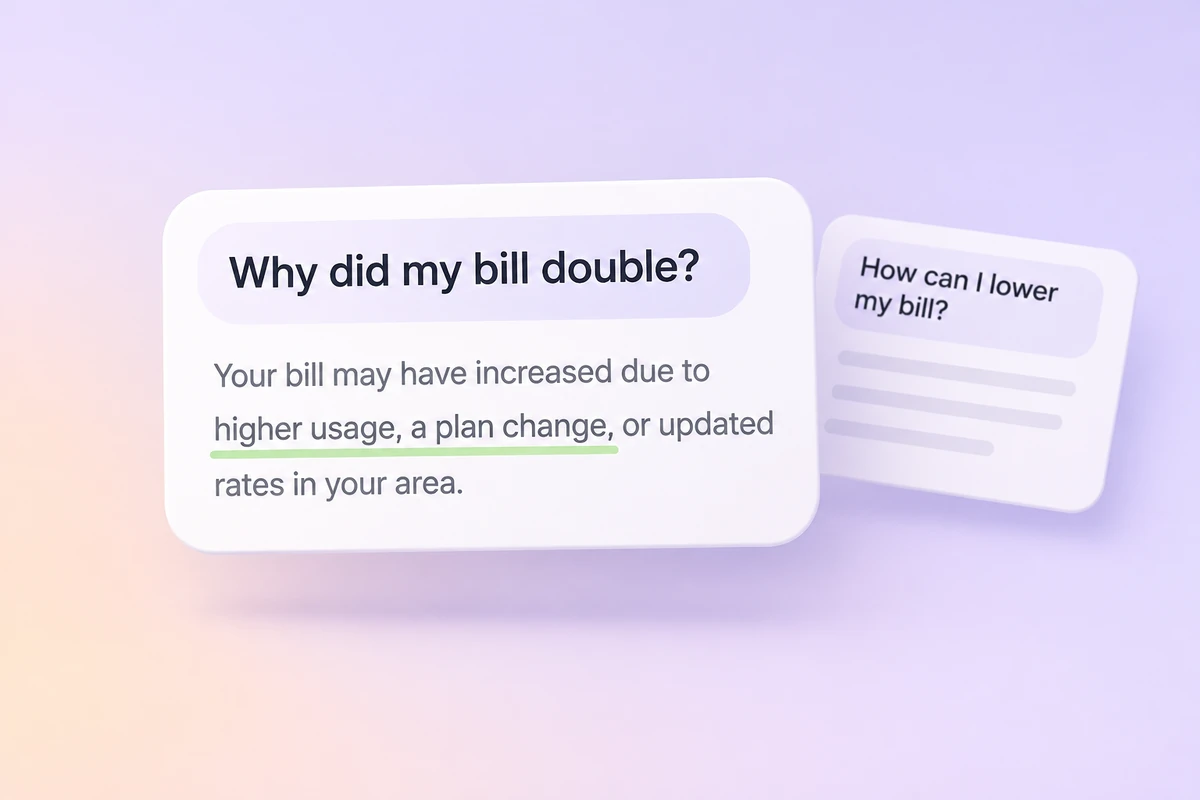
A white answer card with the question Why did my bill double? above a three-line answer, one line underlined in green, and a second question card behind it

A direct answer, not a search page

The reply is written for the question you asked and states what it assumed, so nothing hides behind ten blue links. When the subject is checkable, Fact Checker takes the claim one step further than a second opinion does.

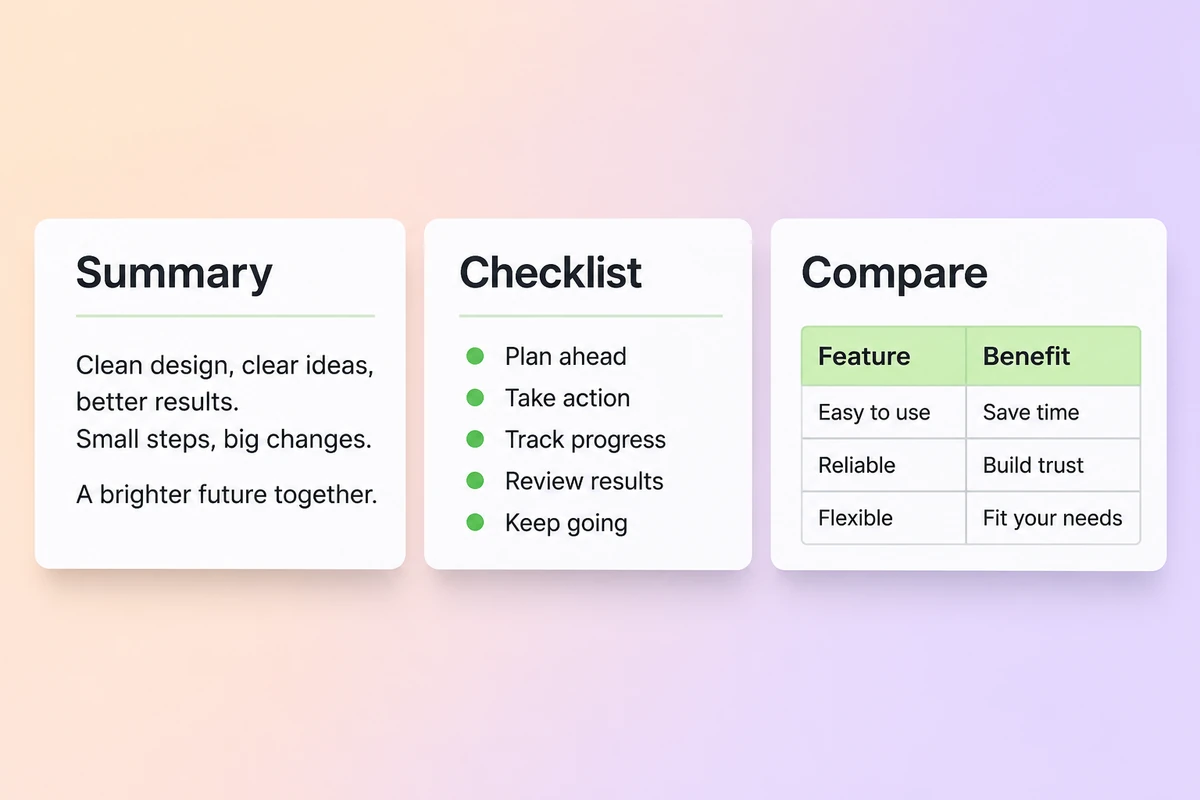
Three white cards showing the same content as a Summary paragraph, a Checklist with green dots, and a Compare table with a green header row

Ask for the shape you need

A paragraph, a five-item list, a two-column table or a single recommendation: ask for the shape and the same answer is rebuilt in it. When you want prose instead of an answer, AI Text Generator writes from a brief rather than a question.

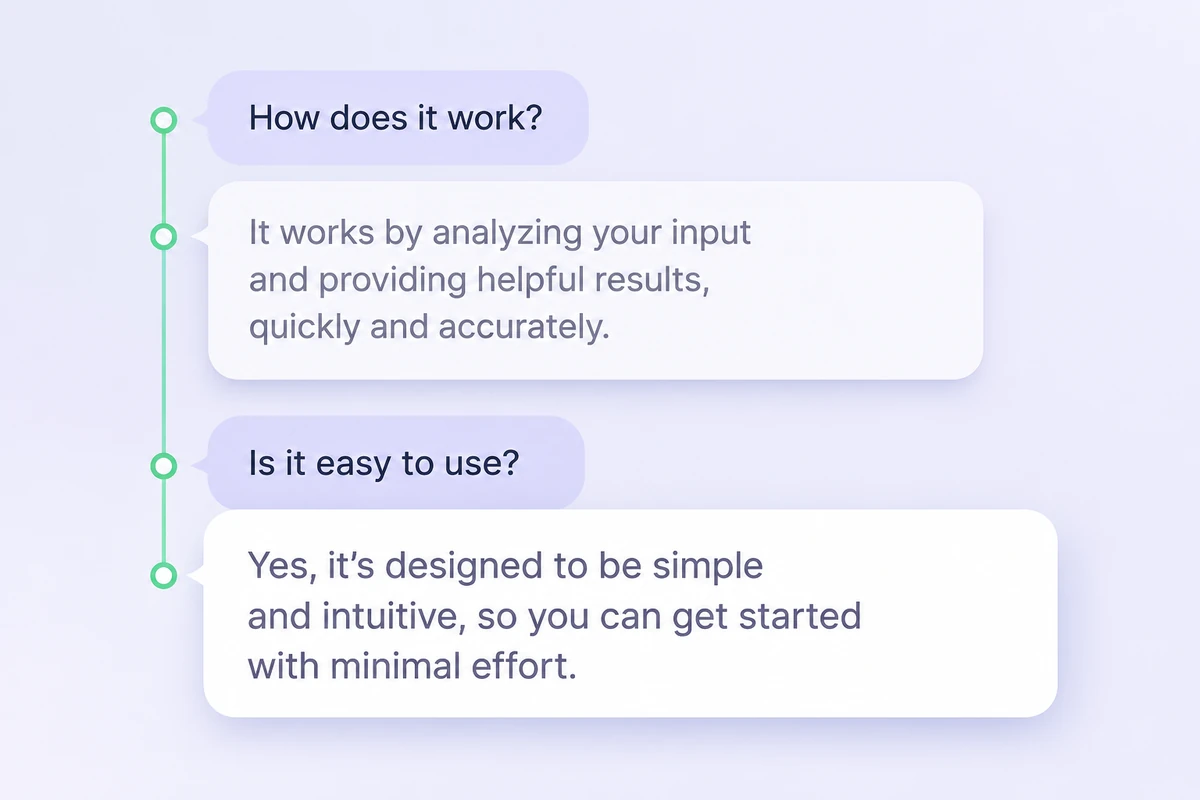
A two-turn thread: a question chip, an answer card, a second question, and a brighter answer card, joined by a green vertical line

The thread keeps your question

Follow-ups do not start from zero: the earlier question and answer stay in the thread, so one short line is enough to narrow, correct or challenge. That is also why the last step matters more than the first, and why Text Summarizer is worth doing before you paste it anywhere.

What you can do with Ottermind

Compare two options properly

Two jobs, two flats, two suppliers. Ask for the trade-offs in a table, then challenge the recommendation once and see whether it holds.

Get unstuck on a definition

A term in a contract or a lecture that nobody explains plainly. Ask for the short version, then ask what it does not cover.

Check a claim before you repeat it

A statistic a colleague quoted in a meeting. Ask for the assumption behind it, then Fact Checker if it is going into a document.

Plan the next hour

Ask what to do first, then ask it to cut the list to three actions. Turning a roadmap into a plan is a phrasing problem before it is a tooling problem.

How to use Ask AI

Step 01

Ask it like a person

Write the question the way you would say it out loud, with the situation and the constraint included. One clear paragraph beats a stack of keywords, and it gives the answer something to be wrong about.

Step 02

Name the shape of the answer

Say whether you want a recommendation, a short list, a table or the next three actions. Asking for the shape after the first reply keeps the answer and changes only how it is delivered.

Step 03

Push back once

Ask what it assumed and what would change the answer. Because the thread still holds the question, this costs one line; [the sentence rewriter](https://ottermind.ai/tools/sentence-rewriter) can tighten a follow-up that got long.

Why creators choose Ottermind

Plain words in

No query syntax and no operators: a paragraph in your own words is the input.

Context survives follow-ups

The thread keeps the question, so narrowing it costs one line instead of a rewrite.

Shape on demand

Ask for a table, a list or a recommendation and the same answer is rebuilt to match.

Answers become drafts

Move a reply into a document or a plan when the question turns into work; AI Text Generator takes that next step.

Visible steps

You can see what the agent did between the question and the answer, and critical actions wait for your approval.

An honest limit

It answers from what it knows and what you tell it; for prices, policies or your own files, paste the source first.

Frequently asked questions

What can I ask an AI?

Anything you would ask a well-read colleague: a definition, a comparison, a plan, a first draft, a sanity check on a decision. The answer improves when you include the situation, the constraint and what you already tried.

Are the answers accurate?

Treat them as a starting point with visible reasoning. Ask which assumptions the answer rests on, then check anything that matters against a primary source; Fact Checker is built for that second step.

Why do my answers feel generic?

Usually because the question is missing the situation. Name the audience, the constraint and the decision you are trying to make, then ask for the shape you want; a specific question is most of the work.

Can I ask follow-up questions?

Yes, and the thread keeps the earlier question, so a follow-up can be one sentence. Ask what would change the answer rather than repeating the question in different words.

Is Ask AI free?

The public experience opens without signing in and includes a limited number of free rounds, which is enough to test a question or two. Accounts, credits and higher limits follow the normal plan rules.

What should I not use it for?

Anything where a wrong answer is expensive and cannot be checked: legal, medical or tax decisions taken on the answer alone. Use it to prepare the questions, then Fact Checker or take it to someone accountable.

Discover more

More from the blog

Ask the question you keep postponing

Type it the way you would say it, ask for the shape you need, then spend one line challenging the answer. The thread keeps everything in place.

Ask AI now