





Acronym Generator From Letters and Phrases

Use the acronym generator with letters, a phrase, or project context. Compare meaningful acronym and backronym candidates, then refine a shortlist for your audience.

AI writing
Claude
GitHub
Google
Linear
Microsoft
Monday
Netlify
Notion
OpenAI
Sentry
Slack
Stripe
Supabase
Claude
GitHub
Google
Linear
Microsoft
Monday
Netlify
Notion
OpenAI
Sentry
Slack
Stripe
Supabase
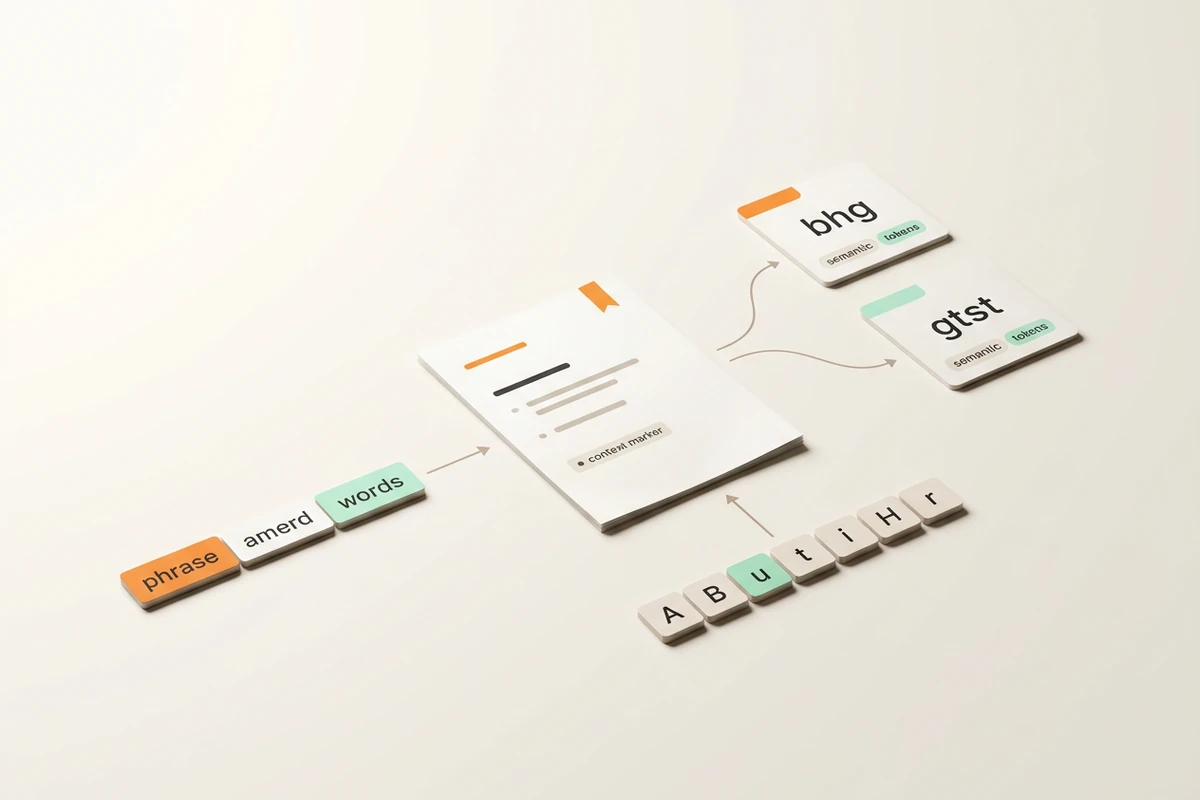
A phrase strip and fixed letter tiles converge on a central project brief before branching into two acronym candidates.

Start with letters, a phrase, or the project

Choose the direction that matches what you already have. Turn a working title into shorter options, use the backronym generator route for fixed letters, or describe the project and let several naming routes compete. If the source brief is unwieldy, condense it first with the Text Summarizer.
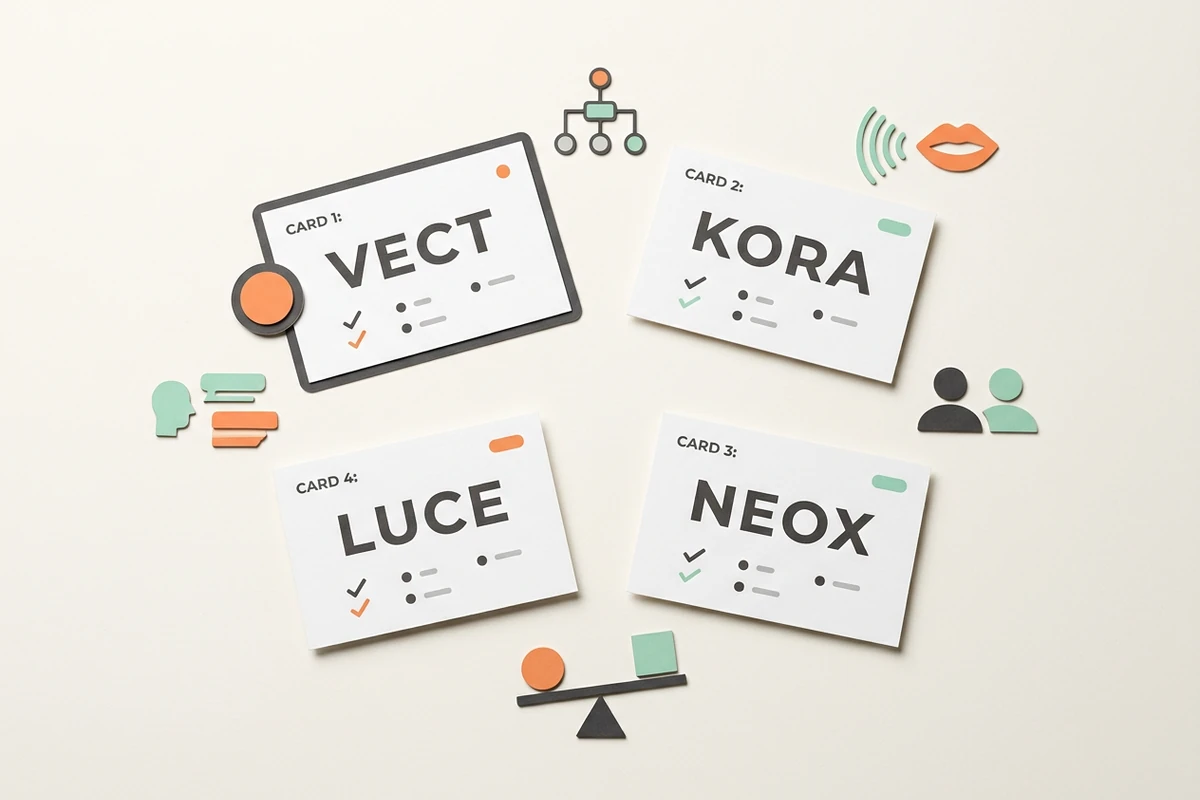
Four acronym candidate cards are compared using cues for meaning, speech, audience, and tradeoffs.

Compare meaning, sound, and audience fit

A polished list is not a decision. Ask the acronym generator to explain each expansion, how it is likely to be spoken, which required ideas it preserves, and where it feels forced. After choosing a name, develop its audience-facing message with the Slogan Generator.

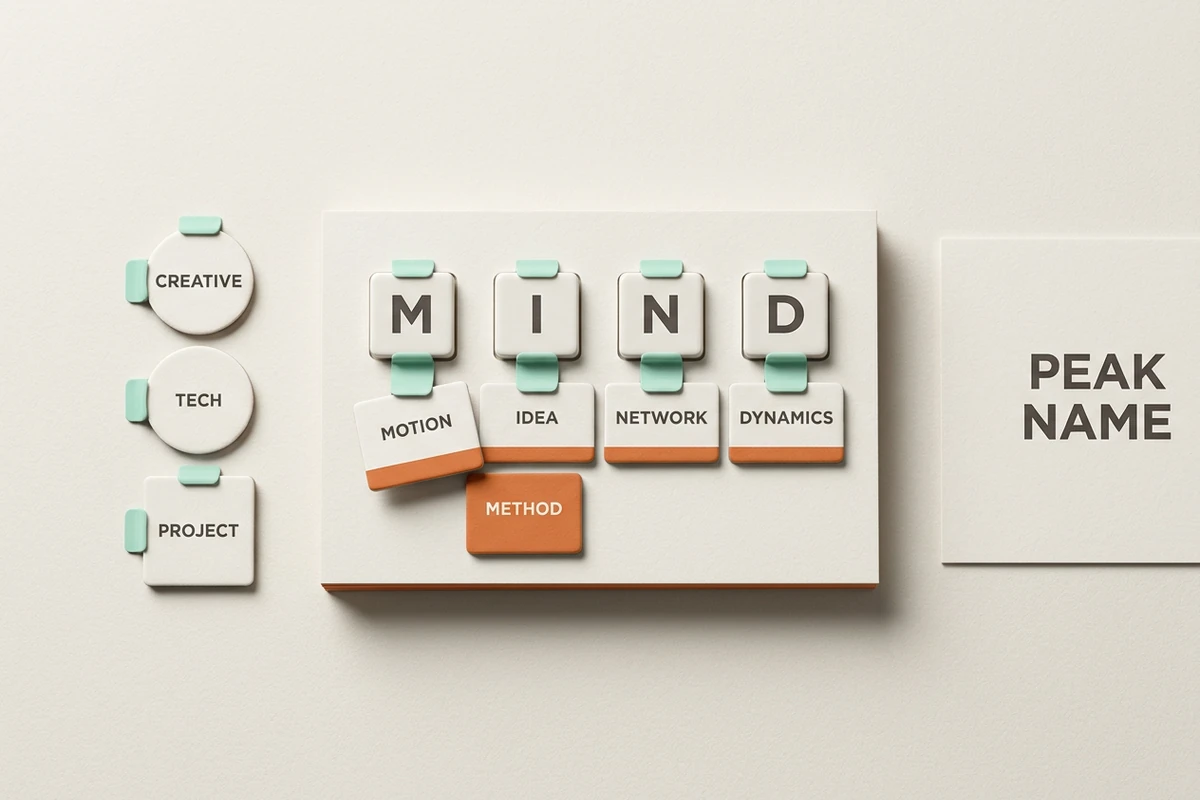
A selected acronym keeps its letters and context fixed while one word tile is replaced beside a plain-name alternative.

Refine the weak word, not the whole shortlist

Keep the promising letters and replace only the word that weakens the expansion. Preserve must-use concepts, exclude misleading terms, change the audience, or request a spelled-out alternative. Polish a selected expansion with the Sentence Rewriter, while keeping every initial fixed.

How to create and refine an acronym in 3 steps

Step 01

Set direction and constraints

State whether you have a phrase, fixed letters, or only context. Add the purpose, audience, required ideas, preferred length, tone, and spoken-form preference.

Step 02

Generate a comparison set

Request distinct routes rather than near-duplicates. Compare semantic fit, clarity when spoken, required-concept coverage, and forced wording before selecting two or three finalists.

Step 03

Refine, test, and validate

Change one constraint at a time, say each finalist aloud, and ask representative readers what they infer. Research collisions, language meanings, trademarks, domains, and handles separately.

Why creators choose Ottermind

Both naming directions

Move from a phrase to letters or from fixed letters to a meaningful expansion in the same project brief.

Context stays attached

Keep purpose, audience, required concepts, and prior feedback organized around the naming work while you iterate.

Explainable comparisons

Review why each candidate works, where it strains meaning, and which audience or setting it best serves.

Pronunciation is a constraint

Request word-like options, letter-by-letter forms, or both, then test the actual spoken result before deciding.

Focused revision passes

Hold strong letters and concepts steady while an agent revises one weak word, tone choice, or audience mismatch.

Clear task boundaries

Use acronyms for project shorthand; choose the Username Generator when the real task is account identity.

FAQ

What is the difference between an acronym, initialism, and backronym?

An acronym is commonly pronounced as a word, such as NASA. An initialism is spoken letter by letter, such as FBI. A backronym starts with chosen letters or a word, then builds a matching phrase around them. Naming work often explores all three forms.

What should I enter in the acronym generator?

Provide the project purpose, audience, core concepts, words that must stay, words to avoid, preferred length, tone, and whether people should pronounce the result as a word or spell it out. Add fixed letters when you need a backronym rather than a new short form.

Can I generate a phrase from fixed letters?

Yes. Enter the letters in order and explain what the expansion must communicate. Ask the backronym generator for several options, then reject unnatural filler used merely to satisfy an initial. You can also pin a strong word and request alternatives for the weaker positions.

How do I make an acronym easier to pronounce?

Ask for short candidates with workable vowel placement and no difficult consonant pileups, then say them aloud in a sentence. Compare the word-like form with a letter-by-letter reading. If listeners hesitate or spell it differently, revise the letters or choose the clearer spoken form.

Does the generator check name, trademark, domain, or handle availability?

No availability check is promised. Treat every candidate as a creative suggestion, then research existing uses, relevant languages, trademarks, domains, and handles separately. If you actually need a social profile identity, continue with the Instagram Name Generator for that distinct naming task.

What if every acronym candidate sounds forced?

Use a plain descriptive name. Clarity is more useful than cleverness when the expansion hides the project or adds jargon. You can keep the descriptive name as a control, revisit the brief, or turn an approved name into launch copy with the AI Social Media Post Generator.

Discover more

What they say about Ottermind

Ottermind helped us turn a rough campaign brief into several strong visual directions without losing the original intent. We could compare different compositions, keep the references beside the work, and refine the strongest concept in one place. That made the entire review process feel faster and much more focused.

Maya Chen - Product Marketing Lead

More from the blog

Build a shortlist that earns its letters

Bring fixed letters, a working phrase, or the full project brief to the acronym generator. Compare acronym and backronym candidates, then refine the clearest option in Ottermind.

Generate acronyms