AI ASMR Generator

Describe the object, the action and the sound: glass fruit sliced, honeycomb pressed, soap cut. Ottermind writes the prompt, generates the clip with audio where the model supports it, and keeps the set for the next one.

A knife slicing a translucent glass-like fruit on a dark wooden board in warm light.
Claude
GitHub
Google
Linear
Microsoft
Monday
Netlify
Notion
OpenAI
Sentry
Slack
Stripe
Supabase
Claude
GitHub
Google
Linear
Microsoft
Monday
Netlify
Notion
OpenAI
Sentry
Slack
Stripe
Supabase

What Makes an AI ASMR Clip Land

The sound is the product. A viewer decides in the first second and a half whether the cut sounds like a cut, and a clip with a beautiful picture and a thin, generic crunch gets scrolled. So write the object, the tool, the mic distance and the room tone together, then generate picture and sound in one pass. When the look matters first, an AI Image Generator can lock the frame before the clip exists.

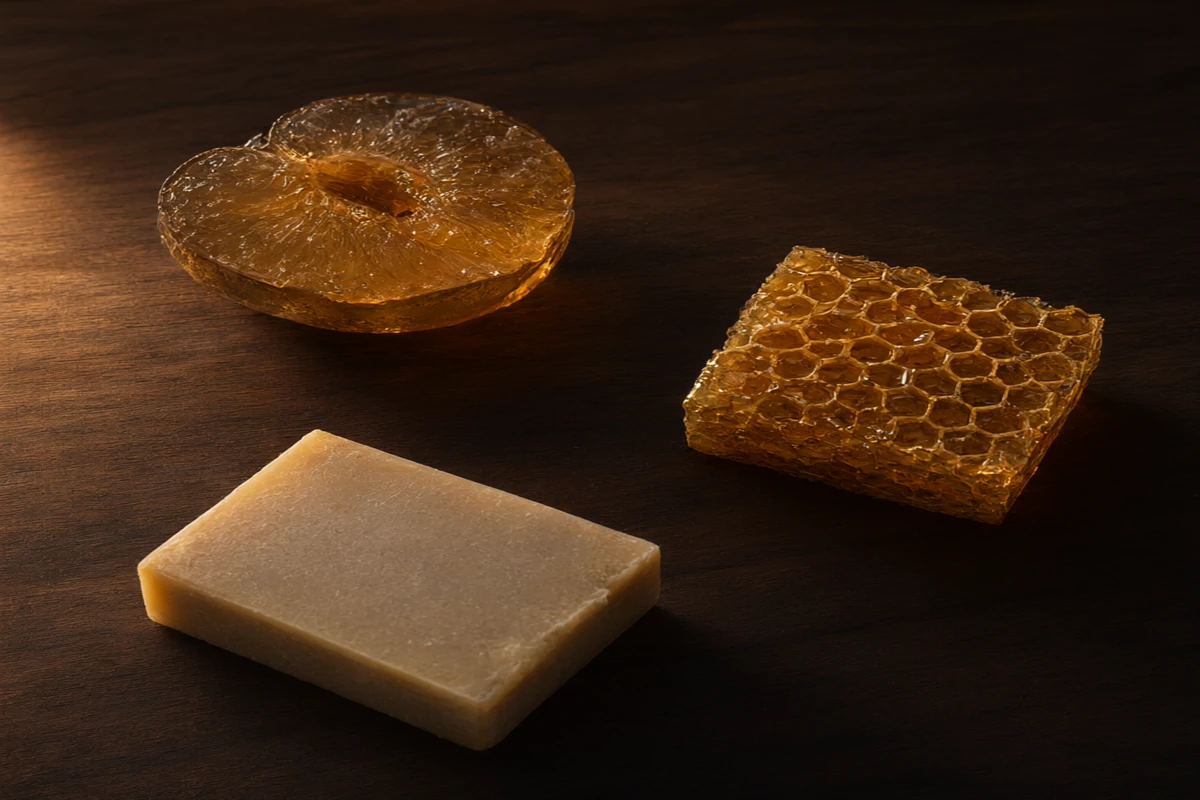
A halved glass-like fruit, a honeycomb block and a cut bar of soap on a dark wooden board.

Pick the trigger that carries the clip

Glass fruit, honeycomb keyboard, soap, bedsheets, a smoothie poured: each trigger is one object, one action and one sound, and the clip only works when the three agree. A glass fruit needs a blade and a crunch, a honeycomb needs a slow press, a bed needs fabric and a hand. Keep one trigger per clip. Once the take is right, an AI Reel Maker cuts it into the vertical the feed expects.
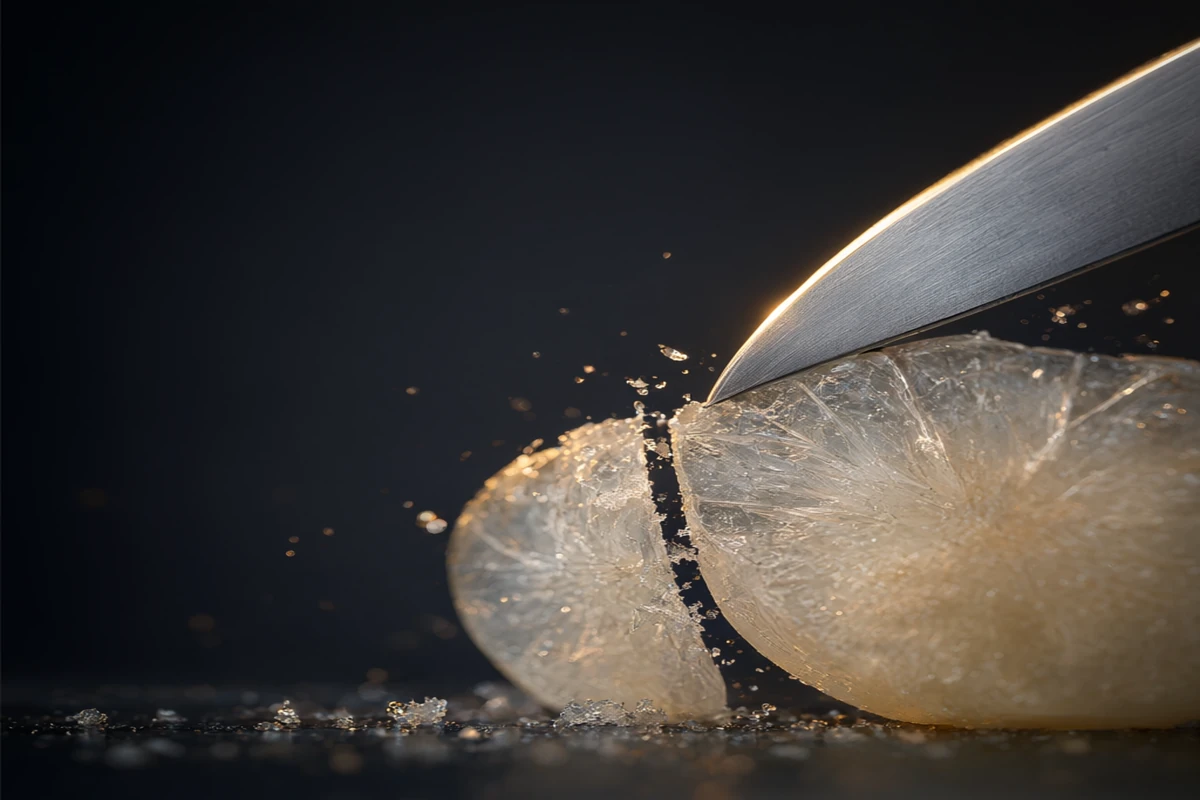
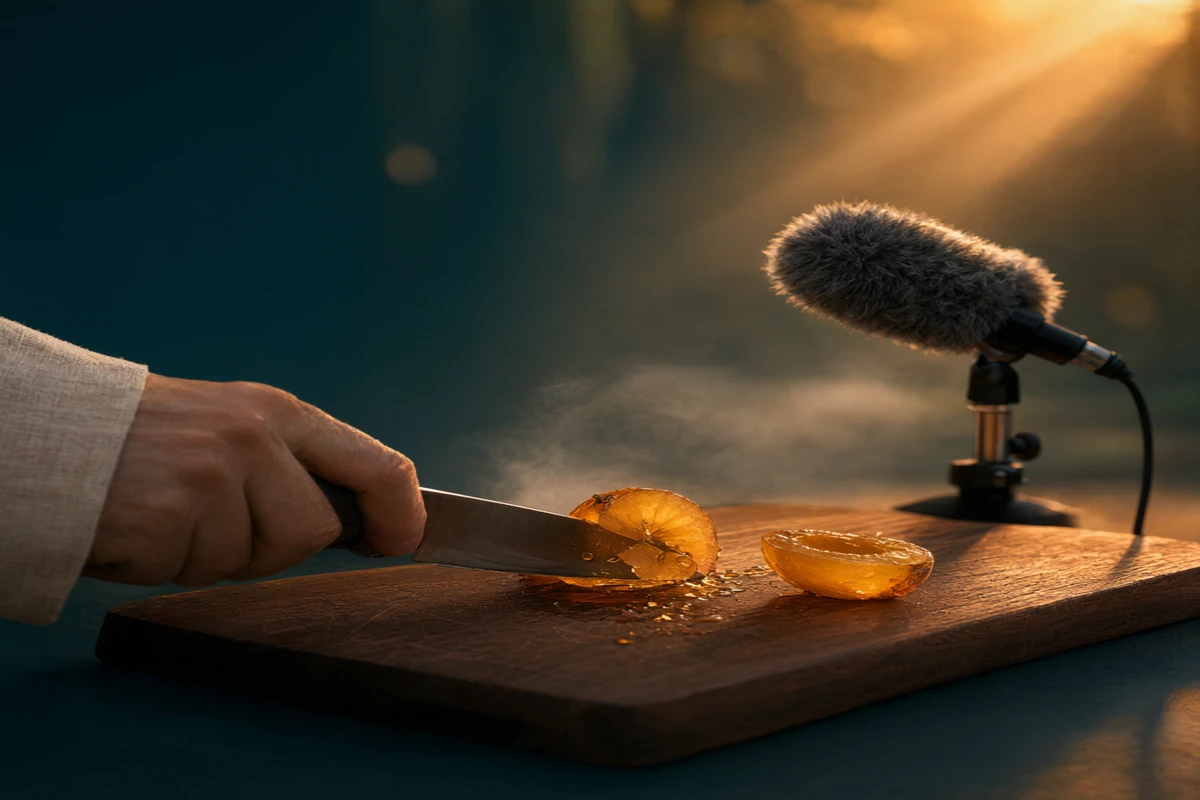
A knife entering a translucent fruit, with crumbs and droplets frozen mid-cut under warm rim light.

Sound has to arrive with the picture

The common failure in AI ASMR is a perfect cut with no sound under it, or a crunch that lands half a second late. Generate on a video model that produces native audio, name the material and the mic distance in the prompt, then check the take on headphones at low volume. If the clip needs a spoken layer over the action, AI Lip Sync Tool puts a face and a voice on the same take.

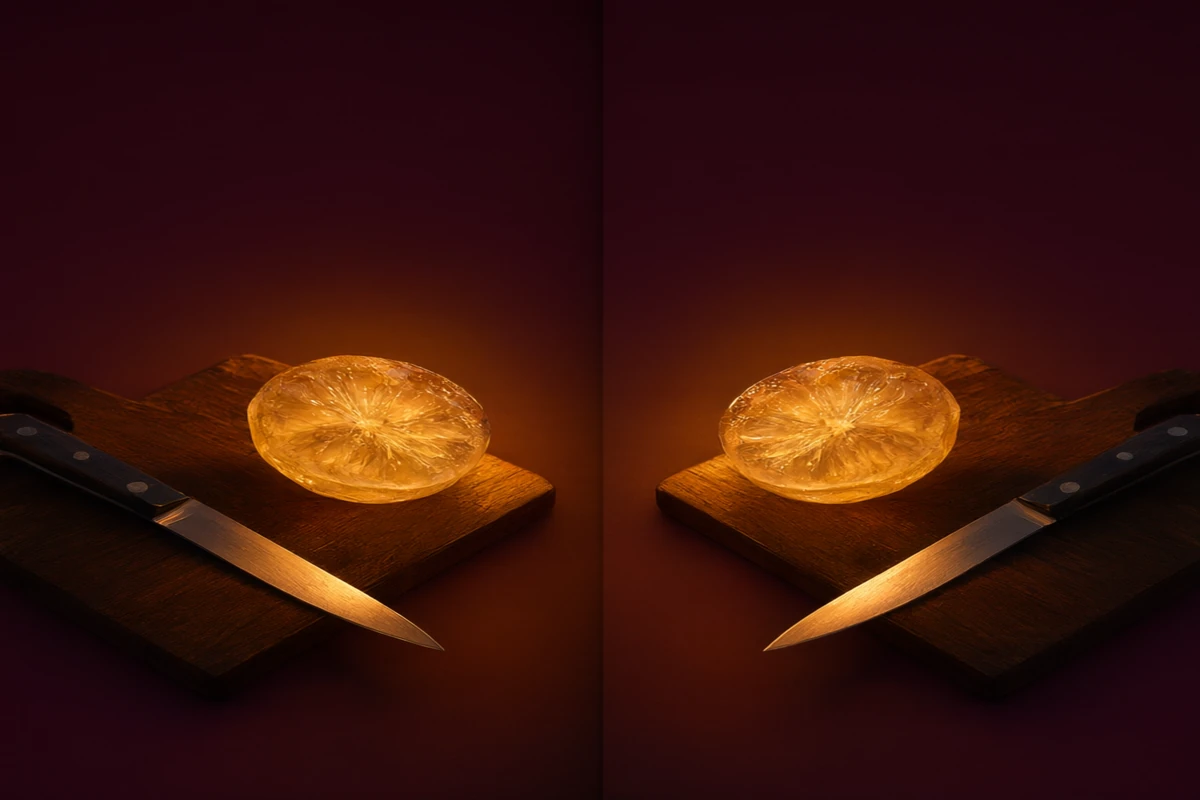
The same dark board, knife and halved fruit shown from two matching angles under one warm lamp.

Keep the set, then make the next one

A series needs the same board, the same knife and the same lamp, or episode two reads as a different channel. Keep the look reference and the prompt that worked with the task, so the next clip starts from the same set. Trim and loop the take in the AI Video Editor when the sound is right and the length is not.

What you can do with Ottermind

Grow a viral ASMR series

Pick one trigger per upload, glass fruit, honeycomb or soap, and keep the same board and light, so the series is recognisable in the first frame instead of looking like ten unrelated experiments.

Give a product a sensory spot

A skincare or packaging brand can turn a product close-up into a tap, press and pour sequence that shows texture, with the item named in every beat so the clip stays on message.

Run a character across episodes

Keep one fictional creator, one room and one microphone between uploads, so viewers recognise the set before the first sound lands and the channel holds together as it grows.

Localise the same clip for another market

Generate the same trigger with a second-language voice or caption, then compare both takes on headphones. An AI Music Video Generator is the route when the piece needs a scored soundtrack rather than room tone.

How to Generate an ASMR Clip in Three Steps

Step 01

Choose the object and the cut

One object, one action, one sound. Write the material (glass, honeycomb, soap, fabric), the tool that touches it and where the cut lands, because a vague satisfying-ASMR prompt gives the model nothing to animate.

Step 02

Write the sound into the prompt

Name the crunch, the press or the pour, the mic distance and the room. Ask for native audio in the same pass, and keep music out: in ASMR the trigger is the soundtrack, and anything else competes with it.

Step 03

Check on headphones, then repeat the set

Judge the take at low volume on headphones, because phone speakers remove the layer that makes the clip work. Keep the reference and the prompt that produced it, so the next clip is a series rather than a new experiment.

Why creators choose Ottermind

Trigger-first prompts

The prompt names the object, the tool and the sound, so the cut and the crunch land together instead of drifting apart.

Sound in the same pass

Native-audio video models produce picture and sound together, instead of a silent clip waiting for a sound library.

One set across clips

The look reference stays with the task, so episode two matches the board, the knife and the lamp.

Vertical from the start

The clip is written for 9:16 and six to ten seconds, the length that loops cleanly in a feed.

Try it before signing up

The public experience runs a limited number of free rounds, enough to test one trigger and hear the result.

Revise where you generated

A mute take is a prompt edit in the same workspace, not a new project. Finish it in the AI Video Editor once the sound is right.

Frequently asked questions

What is an AI ASMR generator?

It is a tool that turns a written prompt into an ASMR clip: the trigger sound, the picture and, on models that support it, the audio in one render. You describe the object and the action, the model produces a take, and you keep or rework it. It is not an ASMR library, and it does not stream other people's recordings.

Which triggers work best?

The ones with a clear object and a clear sound: glass fruit sliced, a honeycomb keyboard pressed, soap cut, sheets moved, a drink poured. Pick one per clip. Two triggers in eight seconds compete with each other, and the viewer cannot tell what they are hearing.

Do I need a specific video model?

No specific model is required to use the page: you describe the clip and Studio works with the video model available to it. Some models produce native audio, Kling 3.0 for example, and on those the picture and the sound arrive together. If the model you use is silent, you get the picture and add the sound afterwards.

How long should an ASMR clip be?

Six to ten seconds, one trigger, looped. A longer piece works when the surface changes every beat, because a single repeated cut stops registering after a few seconds and the viewer scrolls. For a longer version, loop the accepted take in an AI Video Editor rather than generating one long pass.

Is the AI ASMR generator free to try?

The public experience works without signing up for a limited number of free rounds, enough to generate one clip and judge the sound. We do not promise unlimited free use, and account-based options stay behind an account. If the clip also needs a spoken layer, AI Lip Sync Tool applies a voice to a portrait.

Can I keep the same look between clips?

Yes. Keep the reference image and the prompt that produced the accepted take with the task, and the next generation starts from that board, knife and lamp. That is the difference between a series and a pile of clips, and it is why the page asks for one look before the first cut.

Discover more

More from the blog

Write the cut, then listen before you post

Describe one object, one action and the sound it makes, generate a short take, and check it on headphones. Keep the prompt that worked and the next clip starts on the same board.

Generate an ASMR clip