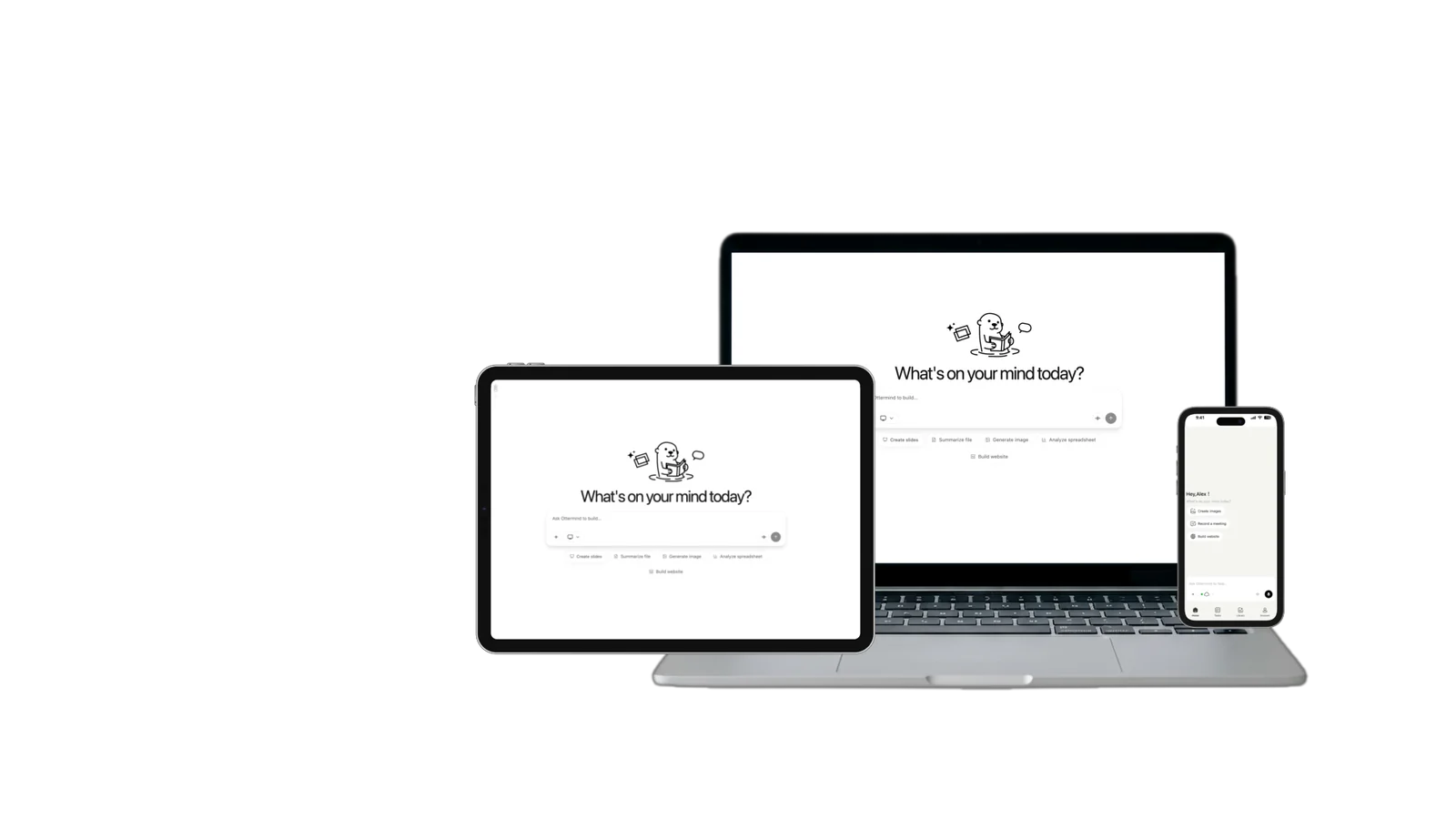
Model Comparison
Best AI Models in 2026: GPT-5.6 Sol, Claude Fable 5 & More
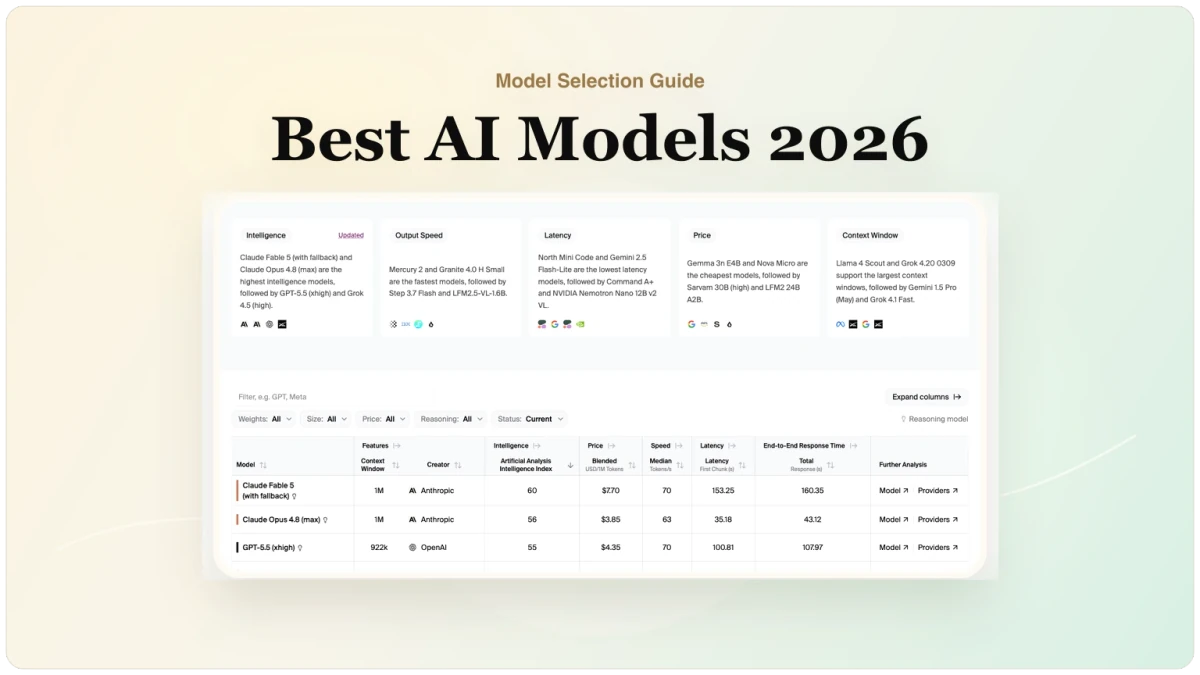
The best AI model in 2026 is not one model. It depends on the job.
For quick reasoning and everyday work, you may want the fastest strong general model. For long research, you may want the model that stays careful across many pages. For slides, product briefs, code, image prompts, or agent workflows, the right answer changes again.
This guide compares the current leading model families as of July 8, 2026, with a practical Ottermind lens: which model should you reach for when you want a real deliverable, not just a clever answer?
Official model references: OpenAI GPT-5.6 Sol preview, Claude Fable 5, Claude Mythos 5, Google Gemini models, xAI Grok, DeepSeek models
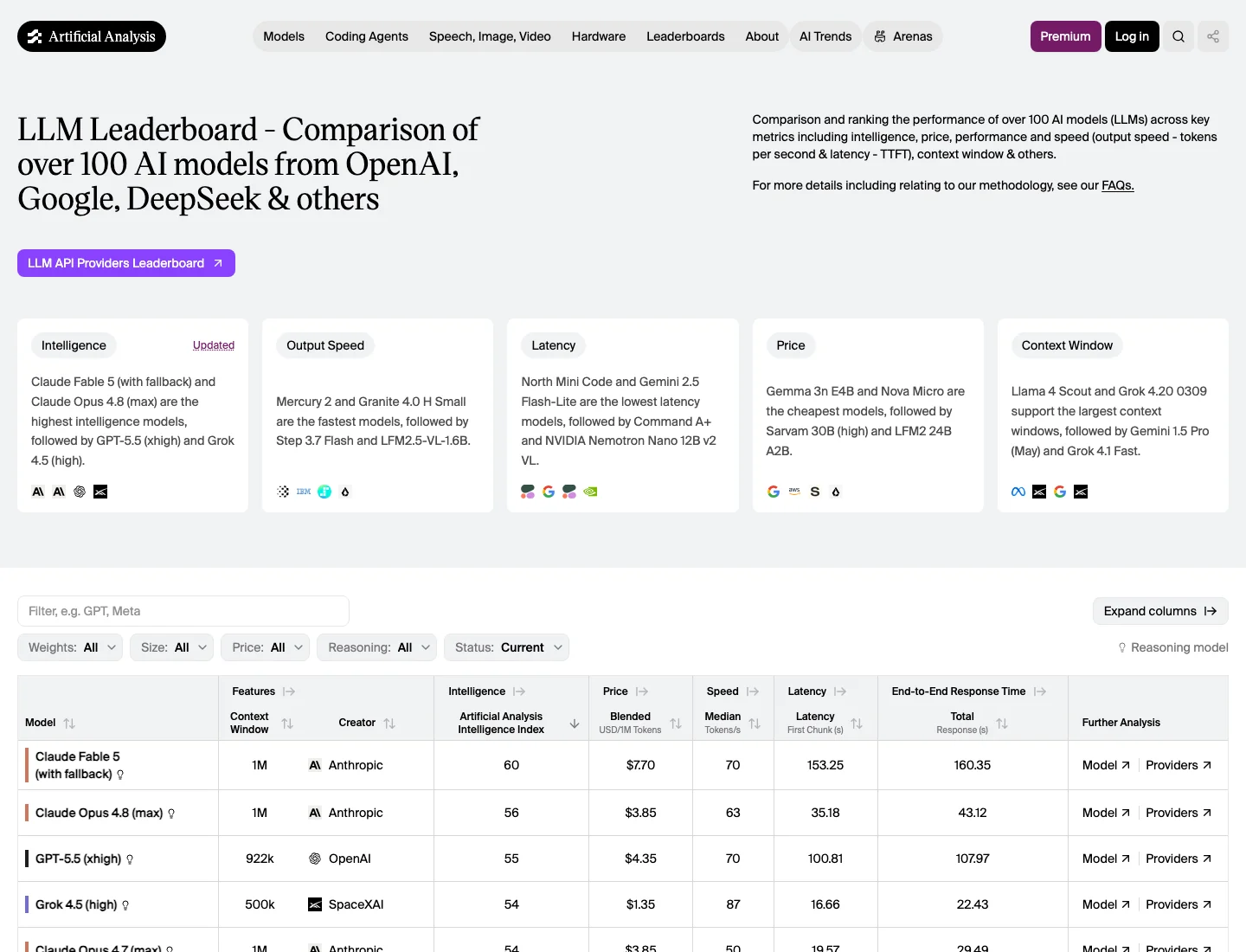
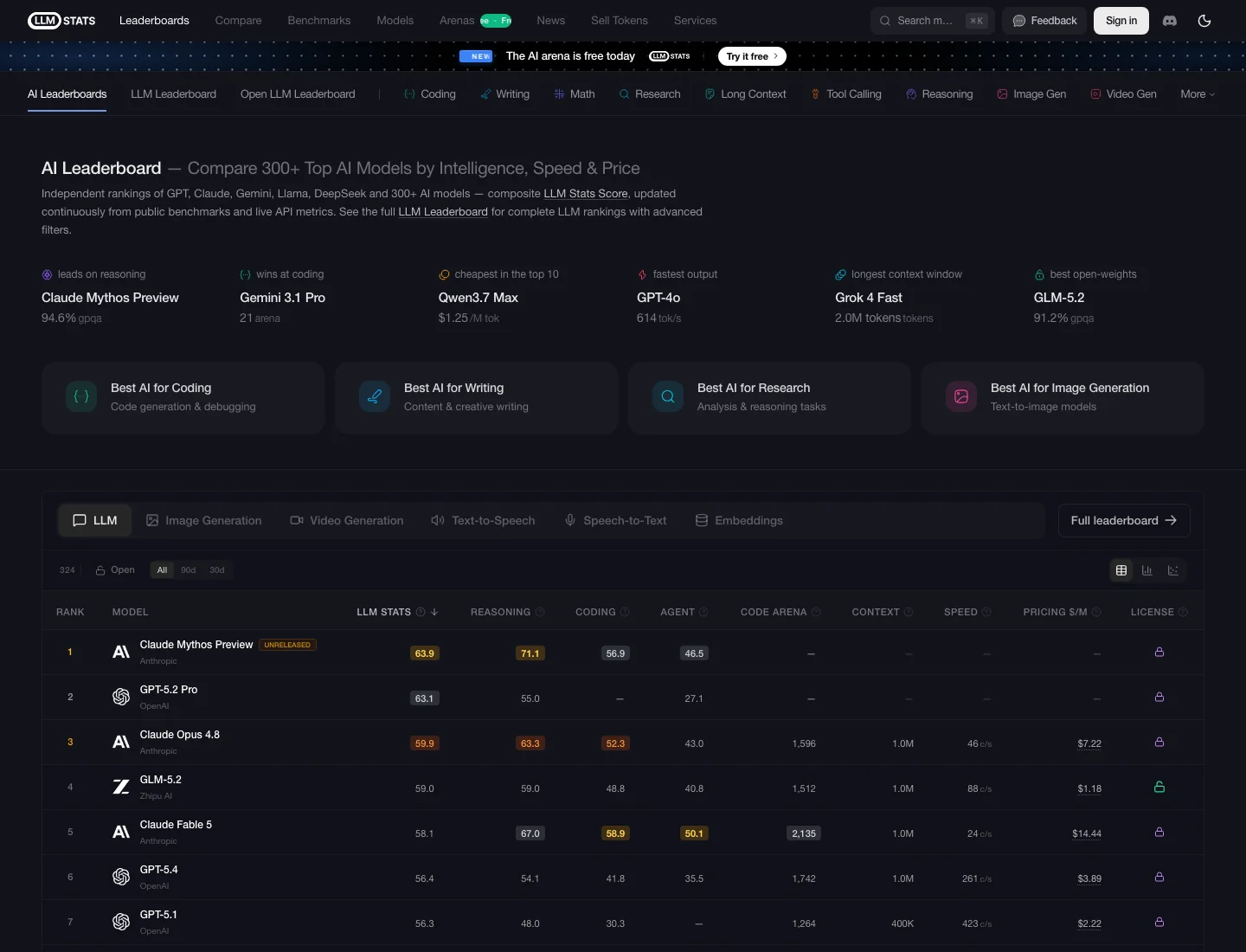
Model leaderboard snapshots: Artificial Analysis LLM leaderboard, LLM Stats AI leaderboard
Quick answer
If you only want the short version, start here.
| Task | Best first pick | Why |
|---|---|---|
| General reasoning and daily work | GPT-5.6 Sol / Terra | Strong default for mixed tasks, planning, analysis, and broad knowledge work. |
| Long writing and research synthesis | Claude Fable 5 | Excellent when the work depends on nuance, structure, and sustained document context. |
| Google-native research and multimodal work | Gemini 3 series | Strong fit when the task benefits from Google's multimodal and ecosystem strengths. |
| Fast, opinionated ideation | Grok | Useful for quick exploration, social/web-fluent prompts, and rough creative direction. |
| Cost-sensitive technical workflows | DeepSeek v4 Flash | Good candidate when you need capable reasoning at a lower operating cost. |
| Ottermind product workflows | A model mix | The best result often comes from routing each step to the model that fits it. |
How to compare models without getting misled
Benchmarks matter, but they are not the whole product experience. A model can score well and still be awkward for a product team if it loses project context, writes in the wrong style, misses handoff constraints, or cannot turn a messy prompt into a useful deliverable.
For Ottermind, we care about five practical dimensions:
- Reasoning: Can the model break down ambiguous work and make tradeoffs?
- Context: Can it use long notes, files, source material, and previous decisions?
- Deliverables: Can it produce usable slides, specs, scripts, prompts, plans, tables, or code?
- Control: Can a human review and redirect the work without starting over?
- Workflow fit: Can the model play one role inside a larger agent workflow?
That last point is important. A model comparison should not only ask "which model is smartest?" It should ask "which model belongs at this step?"
GPT-5.6 Sol, Terra, and Luna
Best for: general reasoning, planning, analysis, writing, coding help, and mixed knowledge work.
OpenAI's GPT-5.6 preview introduces Sol as the flagship model, Terra as the balanced everyday model, and Luna as the fast, affordable model. Sol is the model to watch for the hardest planning, coding, and agentic work; Terra and Luna matter because most real workflows also need speed and cost control.
In Ottermind, GPT-5.6 is a good first model family for:
- Turning a vague request into a structured plan
- Building a first draft of a product brief or presentation outline
- Explaining tradeoffs between multiple approaches
- Coordinating a multi-step workflow before specialist models take over
- Helping with code-adjacent tasks when the user is not living inside an IDE
The limitation is that "best default" does not mean "best for every step." For long-form editing, Claude Fable 5 may feel more careful. For certain multimodal tasks, Gemini 3 may be a better fit. For cost-sensitive repeated work, another model may be the better operating choice.
Claude Fable 5 and Mythos 5
Best for: long documents, careful writing, research synthesis, critique, and editorial work.
Claude Fable 5 is Anthropic's generally available frontier model for ambitious knowledge work, coding, and long-running projects. Claude Mythos 5 is more specialized and restricted, aimed at cybersecurity and biology research for vetted partners.
In Ottermind, Claude Fable 5 is a good first model for:
- Turning messy notes into a readable brief
- Editing a slide narrative before design work begins
- Summarizing long source material without flattening important nuance
- Critiquing a proposal from a user's or stakeholder's point of view
- Producing polished long-form copy with a calmer voice
Claude's main tradeoff is that it is not always the model you want for every fast, tactical step. It shines when the output needs judgment, structure, sustained context, and careful language.
Gemini 3 series
Best for: multimodal understanding, Google ecosystem workflows, research, and tasks where images, video, documents, and web context meet.
Google's current Gemini model list centers on the Gemini 3 family for frontier performance, with models such as Gemini 3.5 Flash for agentic and coding tasks, Gemini 3.1 Pro for complex problem solving, and Gemini Omni Flash for conversational video generation and editing.
Official model page: Google Gemini API models
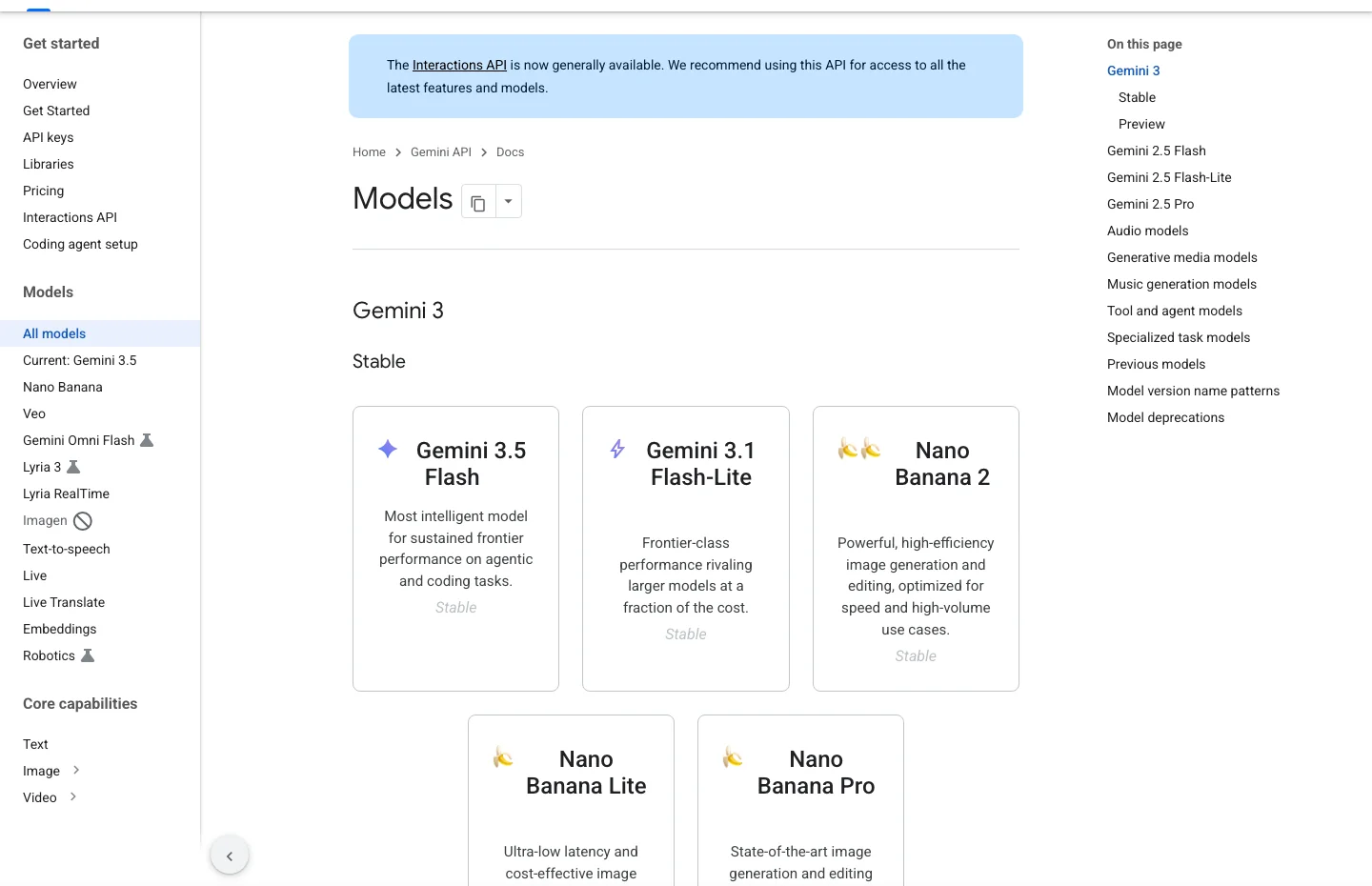
In Ottermind, Gemini 3 is a good first model family for:
- Reviewing visual source material before creating slides
- Understanding screenshots, charts, or product UI references
- Helping summarize multimodal research material
- Drafting image or video prompts based on visual examples
- Working through document-heavy tasks where text and visuals both matter
The limitation is that not every task needs multimodal strength. If you are writing a clean strategy memo from notes, Claude Fable 5 may feel better. If you are coordinating a broad mixed task, GPT-5.6 may be the more natural starting point.
Grok
Best for: quick ideation, social/web-aware phrasing, contrarian angles, and rough creative exploration.
Grok is useful when speed and angle matter more than polish. It can be a good brainstorming partner for naming, social posts, punchier creative directions, and alternative takes on a topic.
In Ottermind, Grok is a good first model for:
- Generating multiple hooks for a blog post or launch asset
- Stress-testing whether a headline feels boring
- Exploring unusual angles for a campaign
- Producing rough creative options before a more careful model edits them
The tradeoff is control. For final product copy, legal-sensitive claims, or careful analysis, you may want a calmer review pass from another model.
DeepSeek v4 Flash
Best for: cost-sensitive reasoning, technical workflows, and repeated automation steps.
DeepSeek is interesting because many teams care not only about maximum capability, but also about operating cost. DeepSeek's API docs currently point compatibility names such as deepseek-chat and deepseek-reasoner toward deepseek-v4-flash, which makes it a model family to watch for efficient repeated work.
Official model and pricing page: DeepSeek API Models & Pricing
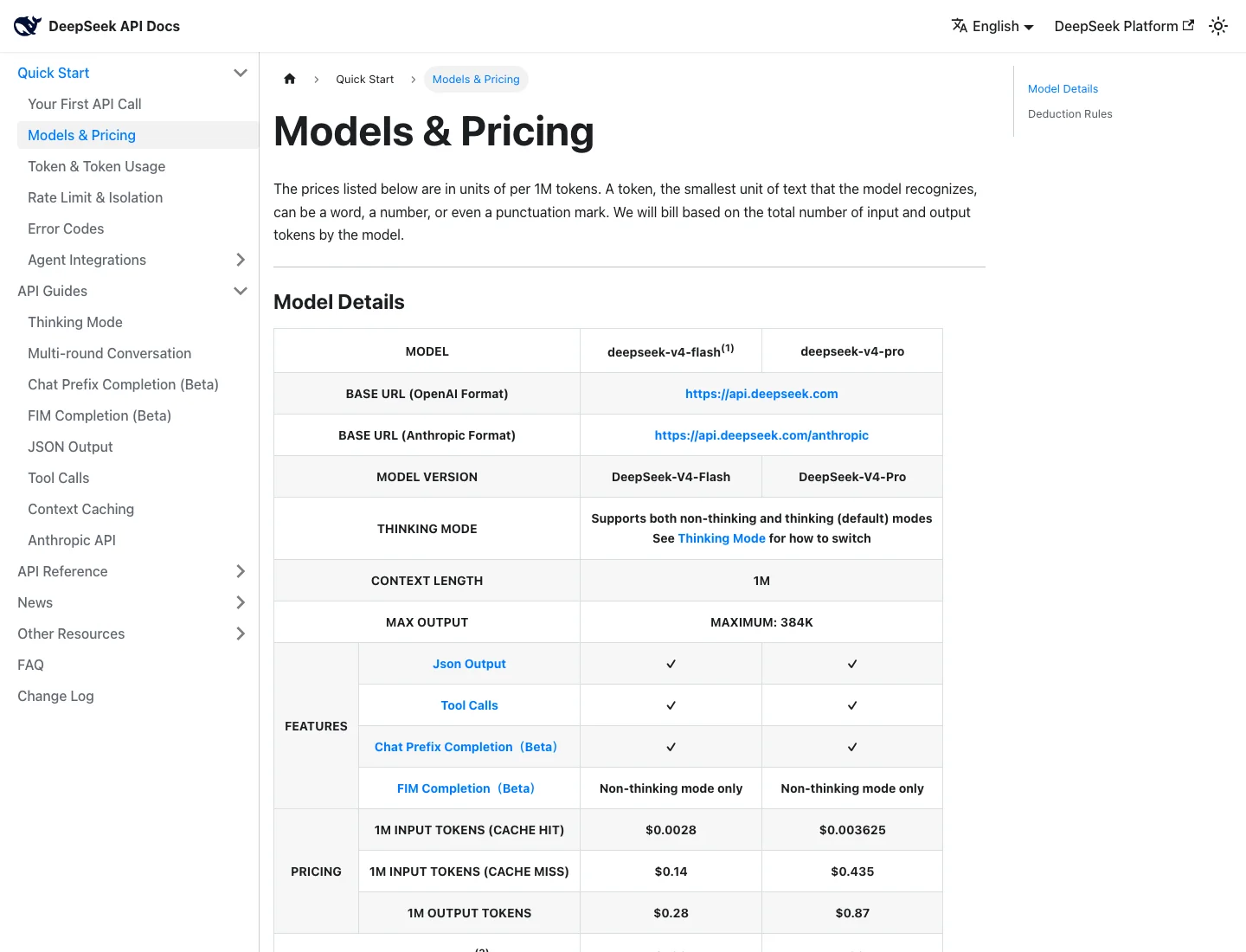
In Ottermind, DeepSeek is a good candidate for:
- Drafting first-pass technical explanations
- Running repeated classification or extraction steps
- Supporting coding and debugging workflows where cost matters
- Producing rough structured output that another model can review
The limitation is that cost efficiency should not be confused with final-answer quality. For executive-facing writing, nuanced research, or high-stakes deliverables, it is often worth adding a stronger review model later in the workflow.
The Ottermind view: choose by workflow, not by brand
Most users should not have to memorize model charts. They should describe the work they want done.
For example, "make a product launch deck from these notes" is not one model task. It is a workflow:
| Step | Model need |
|---|---|
| Understand the source notes | Long-context reasoning |
| Find the narrative | Writing and structure |
| Draft slide titles | Concision and hierarchy |
| Create visual prompts | Multimodal and creative language |
| Review the deck | Critical judgment |
| Prepare speaker notes | Audience-aware writing |
The best model for the first step may not be the best model for the last step. Ottermind can treat models as roles inside the workflow: planner, researcher, writer, critic, visual prompt engineer, coder, or automation worker.
That is why the practical question is not "which model wins?" It is "which model should handle this part of the job?"
Recommended model choices by task
| Task in Ottermind | Recommended approach |
|---|---|
| Product brief | Start with GPT-5.6 or Claude Fable 5, then use Claude for editorial polish. |
| Research summary | Use Claude Fable 5 for synthesis, Gemini 3 when visual or multimodal sources matter. |
| AI PPT generation | Use GPT-5.6 or Claude for structure, Gemini for visual references, then a review pass. |
| Video script | Use GPT-5.6 for structure, Grok for hooks, Claude for final narration. |
| Image prompt writing | Use Gemini when analyzing visual references, GPT-5.6 or Claude for prompt structure. |
| Coding support | Use GPT-5.6, Claude Fable 5, or DeepSeek depending on complexity, cost, and review needs. |
| Repeated automation | Use the cheapest reliable model, then sample-check with a stronger model. |
A simple decision rule
Use this rule when choosing a model:
- If the task is broad or ambiguous, start with GPT-5.6.
- If the task is long, nuanced, or writing-heavy, use Claude Fable 5.
- If the task includes images, video, screenshots, charts, or Google-native context, try Gemini 3.
- If the task needs quick angles or punchier ideation, try Grok.
- If the task repeats many times and cost matters, test DeepSeek v4 Flash.
- If the task is a real workflow, use Ottermind to combine models by step.
FAQ
What is the best AI model in 2026?
There is no single best model for every user. GPT-5.6 is a strong default family, Claude Fable 5 is excellent for long writing and synthesis, Gemini 3 is strong for multimodal work, Grok is useful for quick ideation, and DeepSeek v4 Flash is worth testing for cost-sensitive technical workflows.
Should I always use the newest model?
No. The newest model is often the best place to start, but it may be slower, more expensive, or unnecessary for simple tasks. For repeated workflows, the best setup is often a mix of strong models for planning and review, plus cheaper models for routine steps.
Which model is best for AI PPT generation?
For AI PPT generation, the model mix matters more than one winner. Use a strong reasoning model to structure the deck, a careful writing model to refine the narrative, and a multimodal model when source images, screenshots, or visual references matter.
Which model is best for research?
Claude Fable 5 is a strong choice for long-form research synthesis. GPT-5.6 is a strong general research assistant. Gemini 3 is especially useful when the research includes visual or multimodal material.
How does Ottermind make model choice easier?
Ottermind lets the user focus on the deliverable: a deck, a brief, a video script, a research summary, an image prompt set, or a workflow. The model can then be selected by role and step instead of forcing the user to manage every model decision manually.