Case Collection
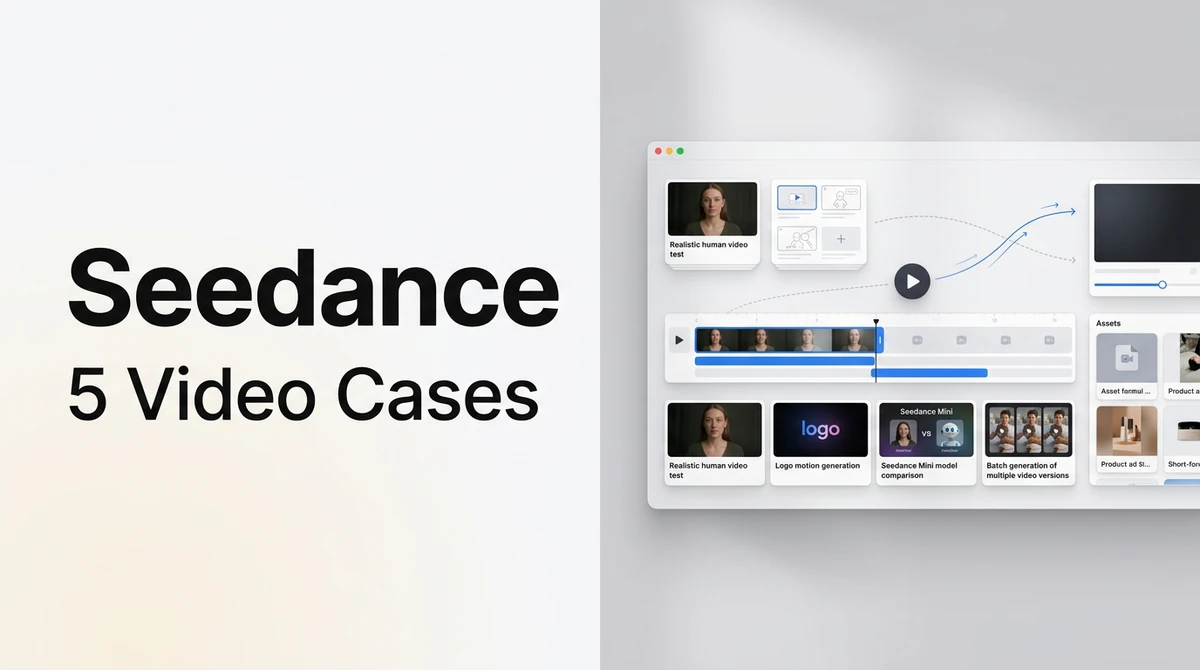
Seedance Video Generation: 5 Real Examples
Introduction
Over the past month, Seedance discussion on X has moved beyond simple model demos. Creators are now testing whether it can support real video workflows: short-form hooks, logo reveals, commercial clips, batch generation, model comparisons, and reusable prompt systems.
Here are five representative cases that show what users actually care about: speed, cost, controllability, consistency, and whether generated video can become part of a repeatable production process.
1. A short-video prompt framework, not just one prompt
Case source: techhalla / X
The interesting part of this case is not only the final video. It is the claim that a reusable prompting framework can produce repeatable social-video results across platforms.
For creators, the useful unit is no longer a single clever prompt. It is a structure that can swap topics, characters, settings, hooks, and endings while keeping the video format consistent.
Create an 8-12 second vertical video for {topic/product/person}: start with a strong visual hook in the first second, use three fast shots to show conflict, movement, or transformation, and end on a clear result. Keep the subject recognizable and avoid a video that is only mood without an event.2. Logo animation is about client-ready delivery
Case source: Jerrod Lew / X
Logo animation examples are compelling because they turn a static design asset into something closer to a deliverable. The user question is practical: does the logo stay intact, does the brand style survive, and can the result be used in a website hero, ad, or intro?
Generate a 5-second logo reveal based on this animation sheet. Keep the logo shape and brand identity intact, use {material/light/particle/transition style}, and finish on a clean full-logo hold suitable for a website intro, launch video, or social clip.3. Seedance 2.0 Mini changes the cost of iteration
Case source: JSFILMZ / X, Jerrod Lew / X
Seedance 2.0 Mini matters because not every generation needs the highest-cost model. Real video work needs draft passes, motion tests, and hero shots, each with different quality and speed requirements.
Generate three test versions from the same source material: version A prioritizes speed and low cost, version B prioritizes motion stability, and version C prioritizes final publish quality. Keep the subject, shot structure, and ending consistent for comparison.4. Unlimited generation makes creators willing to test more
Case source: Kiber Alla / X, Higgsfield / X
The value of unlimited generation is not simply producing more clips. It changes the creative process by making iteration feel cheaper, which matters because usable AI video usually takes many attempts.
Generate 10 variations of a 6-8 second video around {topic}. Keep the same character and core event, but vary camera distance, camera motion, action rhythm, background details, and ending pose. The goal is a set of selectable video assets for editing.5. Platform workflows turn model demos into production pipelines
Case source: PromeAI / X, TraffAlex / X
Recent platform examples show Seedance moving from standalone generation toward production workflows for ads, ecommerce, social clips, and brand videos.
Create a 10-second commercial video for {product/service/campaign}: show the problem or usage context in the first 2 seconds, show product action and key benefit in the middle 5 seconds, and end on a clear result shot. Keep the product appearance consistent and the camera language direct.Turn Seedance inspiration into a video workflow in Ottermind
If you only generate one occasional clip, Seedance is a fun model. If you save the prompt, source material, comments, generations, failures, and final result together, it becomes a reusable video production system.
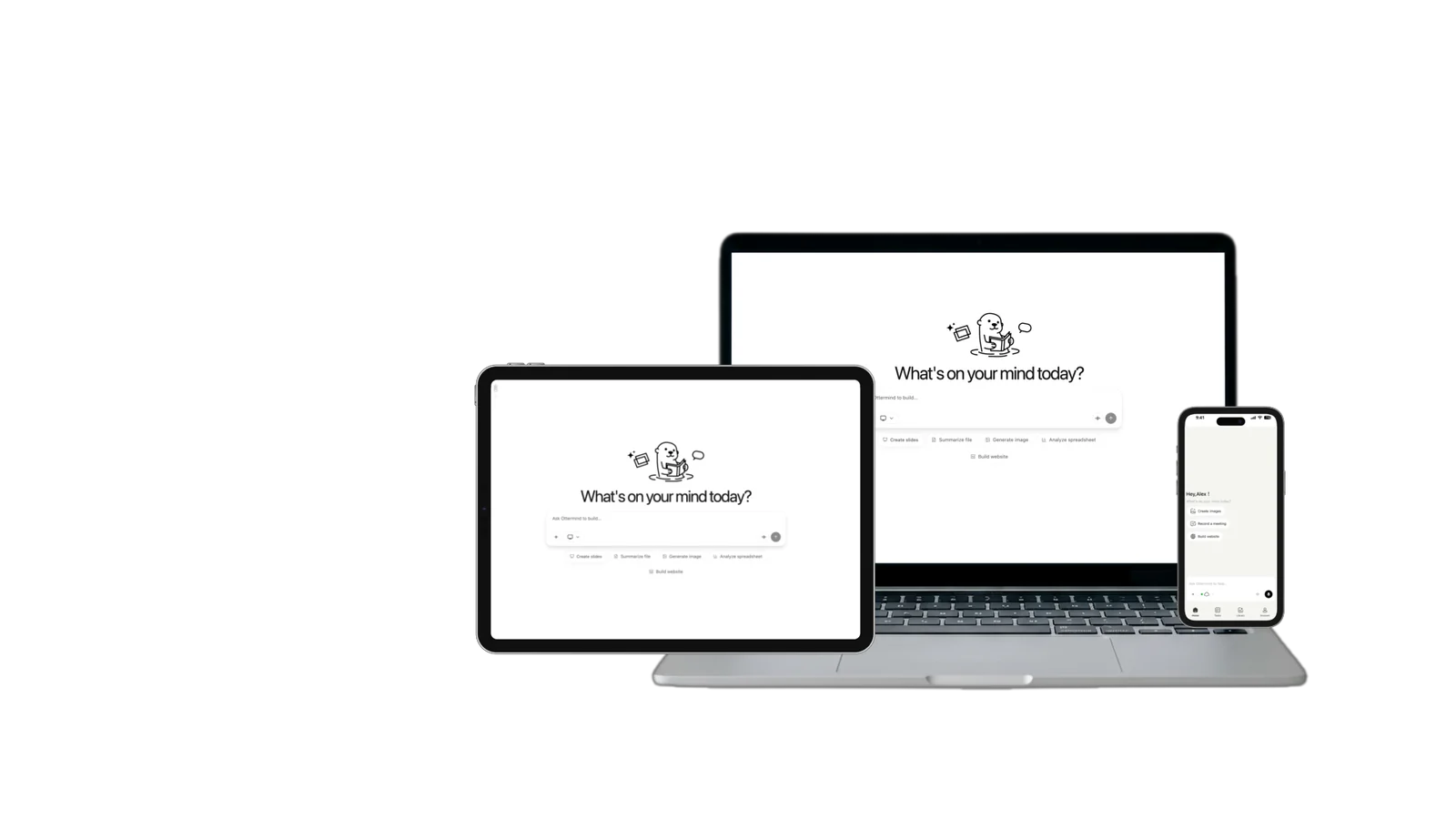
Ottermind can turn these cases into reusable video prompt templates, connect reference images and scripts with generated outputs, and help teams compare different models, prompts, and versions over time.